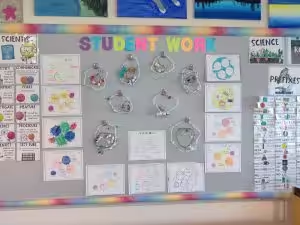
3 Fun Ways to Teach Students Atomic Structure
Check out these 3 ideas to teach atomic structure in a fun way with your grade 5 6 7 science students. Making an atomic model can help them understand atomic structure.
Check out these 3 ideas to teach atomic structure in a fun way with your grade 5 6 7 science students. Making an atomic model can help them understand atomic structure.
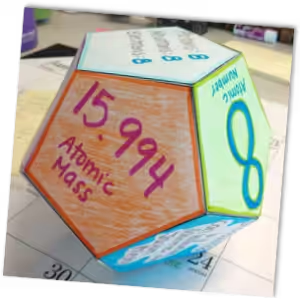
Learn new ways to review the periodic table of elements with your grade 6 7 8 science students while learning about atoms and elements.
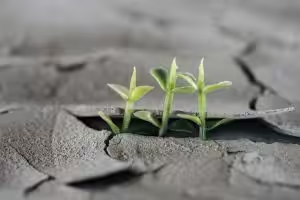
Use these 4 ideas to teach weathering and erosion in your upper elementary and middle school classroom. Each idea will enable students to understand how weathering and erosion affect the environment around us.

Learn about ideas to use in your classroom to teach tides to your 6 7 8 science students.
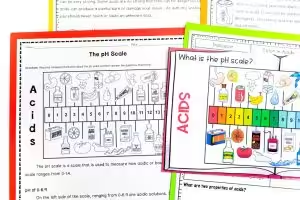
Learn new ideas to cover your chemistry unit with your science students when teaching them acids and bases and the pH scale.
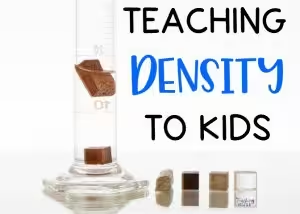
Need ideas to teach density to your grade 5 6 7 science students? These easy to use density ideas will have your students understanding this tough property of matter unit in no time.
Engage students before winter break with December science experiments on the winter solstice, winter animals, and holiday STEM challenges for grades 4–6.
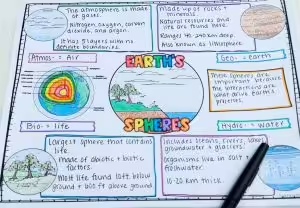
Learn 4 engaging ways to teach your students about earths spheres; atmosphere, biosphere, geosphere, hydrosphere in your grade 4 5 6 science classroom.
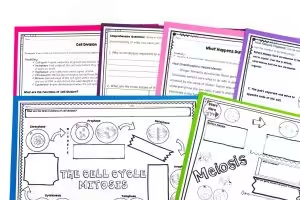
Learn how to teach mitosis and meiosis to your middle school students in grades 7 8 9 using these 4 ideas to help understand the difference between meiosis and mitosis.
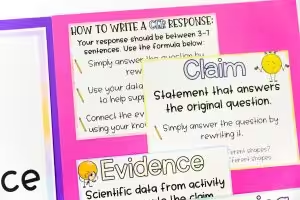
Are you looking for new ways to teach your students to analyze and write science responses? Then you’ll want to check out these CER claim, evidence, reasoning ideas to use with your grade 5 6 7 students.
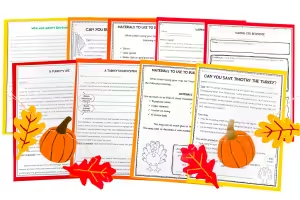
Get students gobbling up science with November activities for Veterans Day, the Great American Smokeout, and Thanksgiving, covering ecosystems, food webs, and STEM design for grades 4–6.
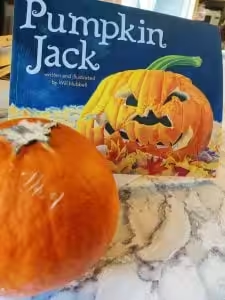
A quick, hands-on pumpkin science activity for fall. Students observe a jack-o’-lantern decompose while learning about life cycles, physical and chemical changes, and scientific observation.