Let’s be honest: trying to teach Earth science can feel like you’ve been dropped into the middle of a volcanic eruption—without a map, helmet, or even a decent pair of boots.
With standards covering everything from plate tectonics to astronomy, it’s no wonder many middle school teachers feel overwhelmed. And if you’re not a rock nerd (no shade to the geologists out there), Earth science can seem like a subject you have to survive more than enjoy.
But it doesn’t have to be that way.
In fact, with the right approach, teaching Earth science can become one of the most engaging, awe-inspiring parts of your school year—for both you and your students.
Here’s how to simplify the chaos and start teaching Earth science with confidence.
One of the biggest reasons teachers feel stuck is the lack of a big-picture plan. You get thrown a unit on “weather patterns” and another on “the rock cycle,” but you’re not sure how (or why) they connect.
This is where a curriculum map is your best friend. A strong curriculum map:
Aligns to NGSS standards
Shows a logical sequence from unit to unit
Highlights crosscutting concepts like cause and effect or systems
Tells you what to teach, when to teach it, and how much time to spend
👉 Grab my FREE Earth Science Curriculum Map here if you want to stop second-guessing your scope and start teaching Earth science with structure.
FREE Earth Science Curriculum Planner
Don't miss out on the FREE Earth Science Curriculum Planner. It will help to make teaching Earth Science easy and stress-free!
2. Teach Earth Science by Making Concept Connections
Earth science is one big puzzle—and your job is to help students see how the pieces fit.
Instead of treating weather, erosion, and natural disasters like isolated units, make those connections explicit. For example:
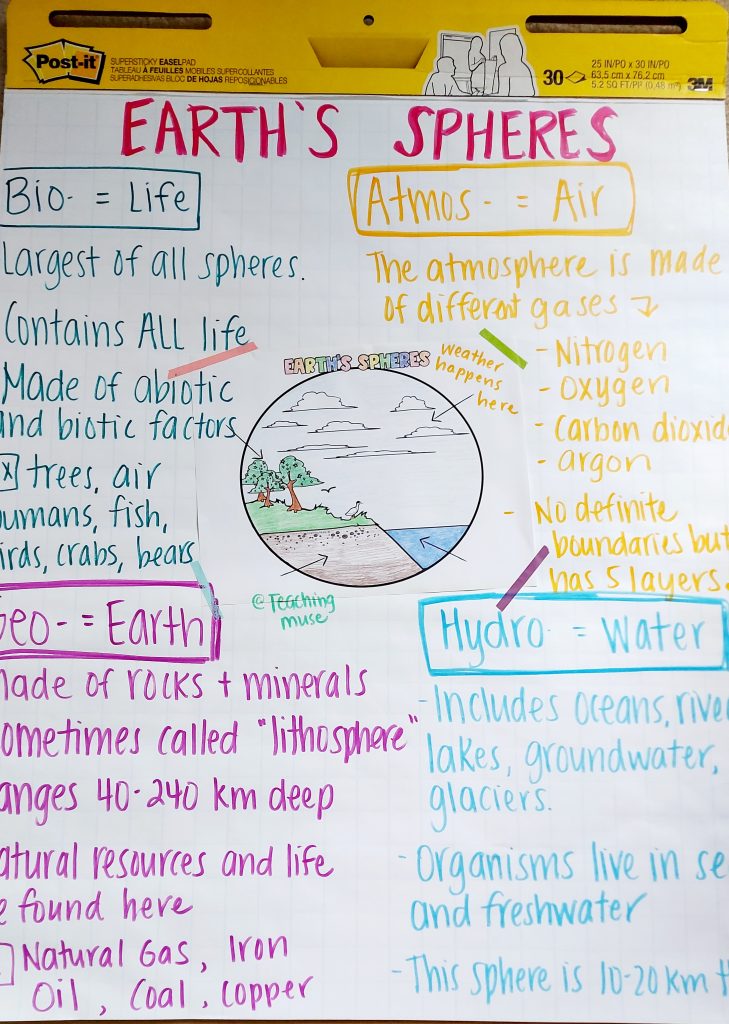
Show how Earth’s layers relate to both plate tectonics and volcanic eruptions
Link wind and water erosion to landform changes over time
Tie gravity and inertia into orbital motion before jumping into moon phases
When you teach Earth science with connections in mind, it makes the content feel more like a story—and less like a list of random vocabulary words to memorize.
3. Teach Earth Science with Hands-On, Low-Prep Activities
You don’t need to haul in rocks or build a seismograph to make Earth science hands-on. In fact, students often learn just as well from:
Interactive graphic organizers
Station labs with simple materials
Digital slide investigations
Claim-Evidence-Reasoning activities that tie to real-world events (like hurricanes or earthquakes)
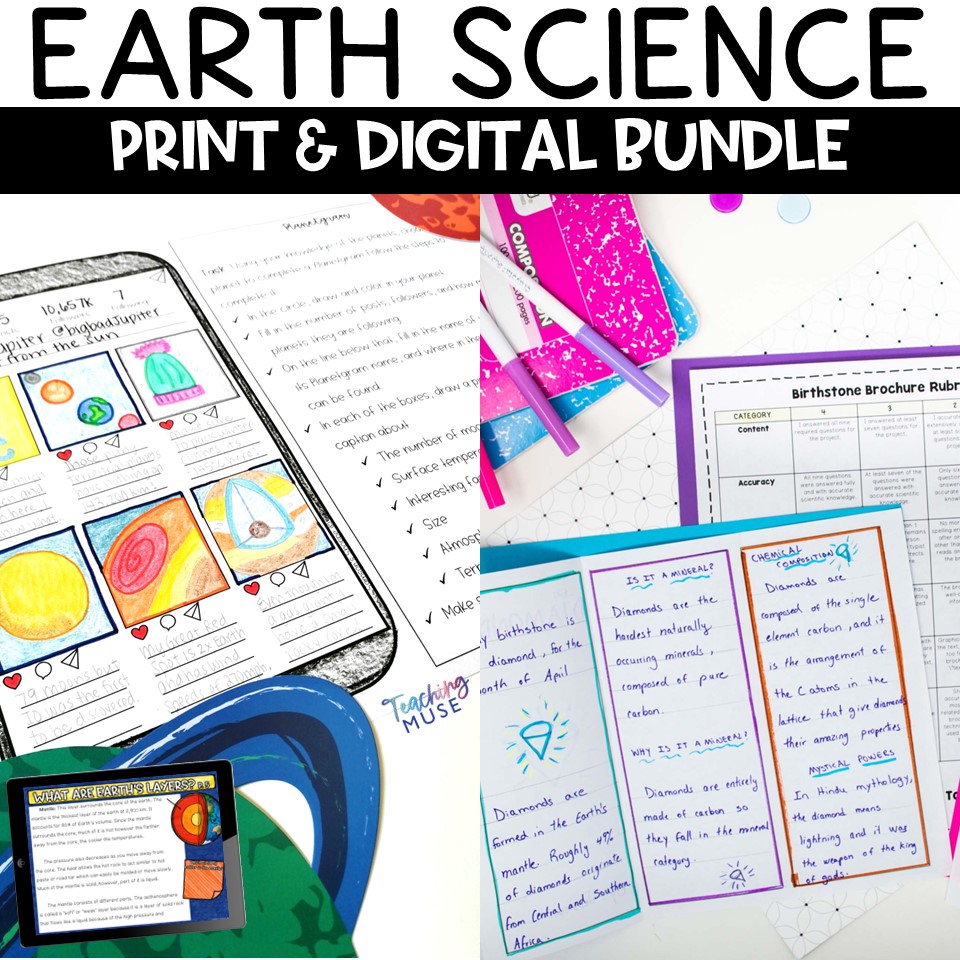
If you’re short on time or ideas, my Earth Science Bundle includes ready-to-go lessons that blend reading, activities, and NGSS-aligned assessments so you can teach Earth science without reinventing the tectonic plate.
4. Build Confidence as You Teach Earth Science Through Reading
Let’s face it—some topics are hard to teach because we don’t feel confident explaining them. That’s why I include leveled reading passages in every Earth science unit. They’re written at a 5th-grade reading level (perfect for middle school scaffolding) but packed with grade-appropriate NGSS content.
These passages aren’t just for students—they’re a great refresher for you, too.
5. Teach Earth Science by Making It Real-World and Relevant
Students love Earth science when they realize it’s about their world:
The weather they see every day
The stars they wish on at night
The mountains they’ve hiked
The floods, wildfires, and droughts in the news
Use real-world phenomena as hooks, and you’ll have no trouble keeping students engaged—even in topics like rock classification.
Ready to Teach Earth Science With Confidence?
You don’t need a geology degree. You need a plan, some student-friendly resources, and the freedom to focus on what actually matters: helping kids understand the Earth they live on.
👉 Download my free Earth Science Curriculum Map to get your pacing under control, your standards aligned, and your sanity back.
And if you’re ready for the done-for-you lessons, labs, and reading activities that make teaching Earth science not just doable but fun, check out the full Earth Science Curriculum Bundle here.
Earth Science Curriculum Bundle
Grab Ready-made materials here to use in your classroom TODAY! All the planning and prep is done for you.