
If you’re wondering how to motivate students in the classroom —especially when they seem tired, disengaged, or unsure of themselves—start by teaching them how to think about their own thinking. Motivating students can sometimes feel like a puzzle, but it’s a crucial piece of a successful lesson and classroom management strategy.When students are motivated, they’re more engaged, curious, and eager to learn. Learn what motivation is, how important mindset is, and 6 steps to improve metacognition.
Why Student Motivation Matters in the Classroom
Every decision we make; whether good or bad, is based on motivation. Walking into the faculty room and seeing a box of donuts can influence different reactions depending on the individual’s motivation. For the teacher who wasn’t able to grab breakfast and is starving, this will be a welcomed sight. For the teacher who is eating healthy and exercising, this will be something they wish to avoid.
Motivation is what drives students to learn and achieve. It’s that spark that keeps them curious and willing to put in the effort. As teachers, we play a big role in fostering motivation in our students.
Both motivation and inspiration contribute to an individual’s desire or drive. Strategies related to improving inspiration and motivation will have a positive influence on students. Therefore, this should be a primary focus in your classroom.
Simple Strategies to Build Metacognitive Thinking
If you’re searching for effective ways to motivate students in the classroom, one powerful strategy to consider is integrating metacognition activities into your lessons. Metacognition—thinking about one’s own thinking—helps students reflect on how they learn best, monitor their progress, and take ownership of their education. When students develop metacognitive skills, they become more engaged, confident, and motivated to tackle challenges in the classroom.
How to Motivate Student in the Classroom Using Metacognitive Strategies
1. Teach Students to Embrace a Growth Mindset
Encouraging a growth mindset is essential for building metacognitive habits and motivating students. When students understand that their abilities can improve through effort, reflection, and persistence, they’re more likely to approach challenges with confidence. A growth mindset helps them see mistakes as learning opportunities—an important shift that fosters both self-awareness and motivation to learn. As students begin to monitor their progress and adjust their strategies, they engage more deeply in the learning process.

2. Teach Students to Recognize Gaps in Their Understanding
Many students lose motivation when they feel stuck—but they often lack the metacognitive skills to reflect on why they’re struggling. Teaching students to pause and identify what they don’t yet understand is a powerful way to build both self-awareness and learning resilience.
One effective strategy is using a Stoplight Exit Ticket. This tool encourages students to reflect on their learning with three simple prompts:
- Green: What they understand
- Yellow: New ideas, perspectives, a change in thinking
- Red: A reason why learning stopped
This daily habit gives students a structured way to recognize their mental roadblocks, monitor their progress, and develop problem-solving skills instead of giving up. When students are aware of their own learning process, they become more motivated to improve—and more equipped to do so.
3. Use Reflection to Build Metacognitive Skills
Regular reflection helps students become more aware of both what they’ve learned and how they’ve learned it. When students take time to think about their learning process, they build essential metacognitive habits —and become more motivated to improve.
One powerful way to integrate reflection into your classroom is through addressing common misconceptions. Whether you’re teaching math, science, or a novel study, begin your unit by highlighting typical mistakes or misunderstandings students may have. Then, throughout the unit, provide structured opportunities for students to reflect on their thinking and explain how their reasoning is changing. When students can articulate how their thinking has evolved, it builds both confidence and motivation—because they can see their own progress in action.
4. Use Regular Check-Ins to Support Student Motivation
Students are more likely to stay motivated when they feel seen, heard, and supported. Simple check-ins—whether verbal, written, or digital—can go a long way in building trust and helping students reflect on their emotional and academic progress.
Start class with a quick mood meter, anonymous survey, or short journal prompt like
- What’s one thing you’re proud of this week?
- What lessons were easiest for you this week?
- What did you struggle with the most?
- What study habits do you find most helpful?
These check-ins give students space to self-monitor and signal when they’re struggling. More importantly, they show students that their experiences matter.
When students know their teacher is invested in them as individuals, they’re more likely to engage fully and take ownership of their learning journey.
5. Use Graphic Organizers to Support Metacognition and Motivation
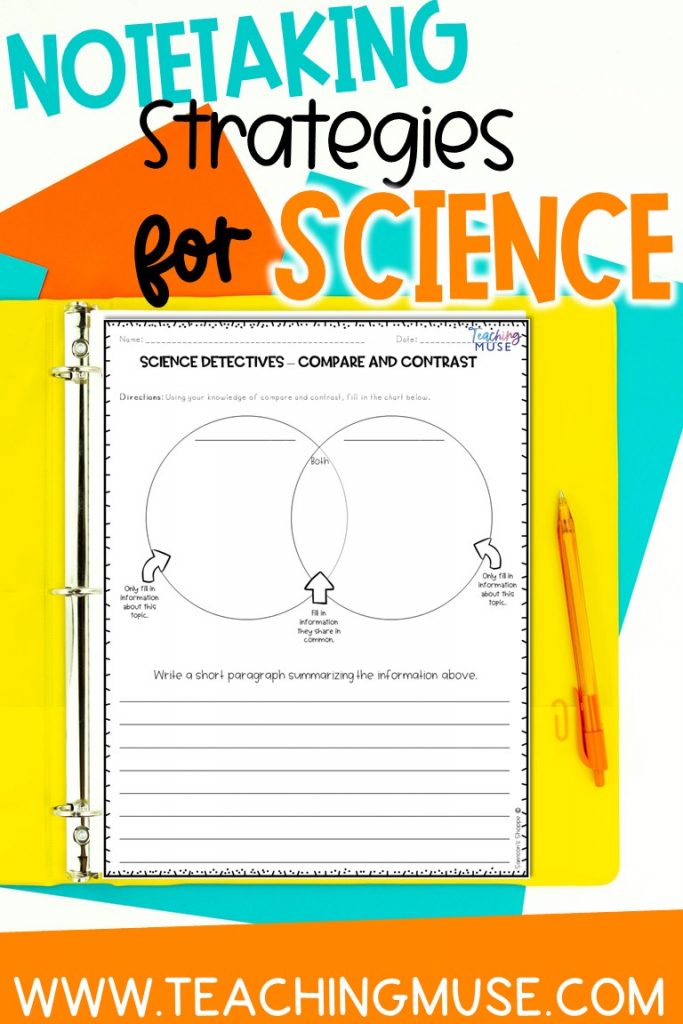
Graphic organizers are powerful tools for helping students process information, make connections, and reflect on their own thinking. When students visually map out their learning—whether it’s through a cause-and-effect chart, a Venn diagram, or a reflection web—they’re engaging in metacognitive thinking without even realizing it.
These tools help students organize complex ideas, track their progress, and identify where they might still be confused. For example, a “What I Know / What I Wonder” chart can prompt students to evaluate their understanding at the beginning and end of a lesson. A self-assessment chart allows them to rate their confidence in various skills and reflect on what helped them improve.
Incorporating graphic organizers regularly not only improves comprehension, it also boosts student motivation, because learners begin to see how far they’ve come and where they can grow next.
These strategies not only support academic success—they also build the self-awareness students need to stay engaged. If you’re looking for how to motivate students in the classroom in meaningful, lasting ways, metacognition is a powerful place to start.
📥 Free Goal-Setting & Growth Mindset Resource
Want to help your students take ownership of their learning right away? Grab this free printable resource that walks students through goal-setting with a growth mindset. It’s perfect for the start of the year, after assessments, or any time students need a motivation reset.
You May Also Like:
If you’re looking for more ideas to engage and empower your students, check out these related posts:
How to Use Bell Ringers to Increase Student Engagement
Quick, daily prompts that spark curiosity and keep students on track from the moment class begins.Teaching Growth Mindset with Student Reflection Activities
Ideas and resources to help students develop positive self-talk and goal-setting habits.6 Classroom Management Strategies that Work
Practical strategies for creating a classroom environment where students feel supported, accountable, and motivated to learn.