What to Teach in Middle School Life Science (According to NGSS)
If you’ve ever sat down to plan your science year and thought, “Where do I even start?”—you’re not alone. Between state mandates, NGSS performance expectations, and wildly different student levels, figuring out what to teach in middle school life science can feel like building a plane while flying it.
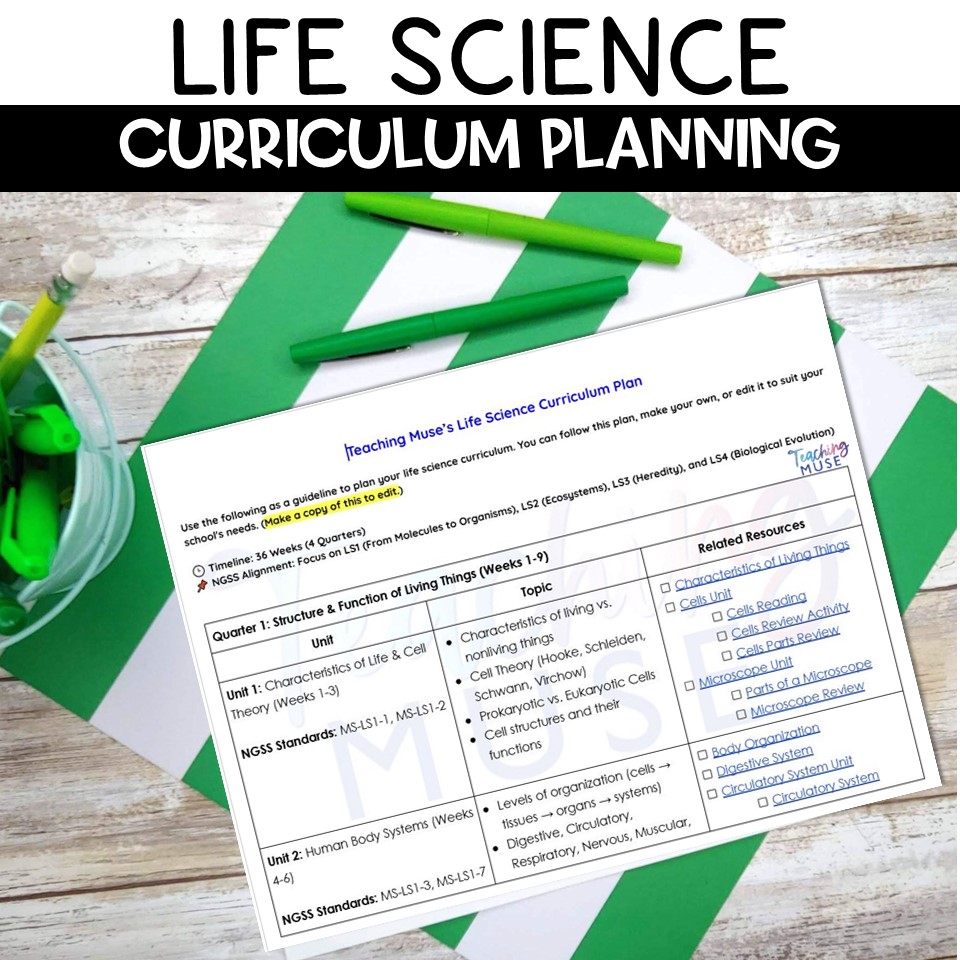
That’s why I created a free, NGSS-aligned Life Science Curriculum Map (grab it at the bottom!) for grades 6–8. In this post, I’ll walk you through how it’s structured, what major life science units are included, and how it can help you confidently plan a full year of science.
Why You Need a Roadmap for Life Science
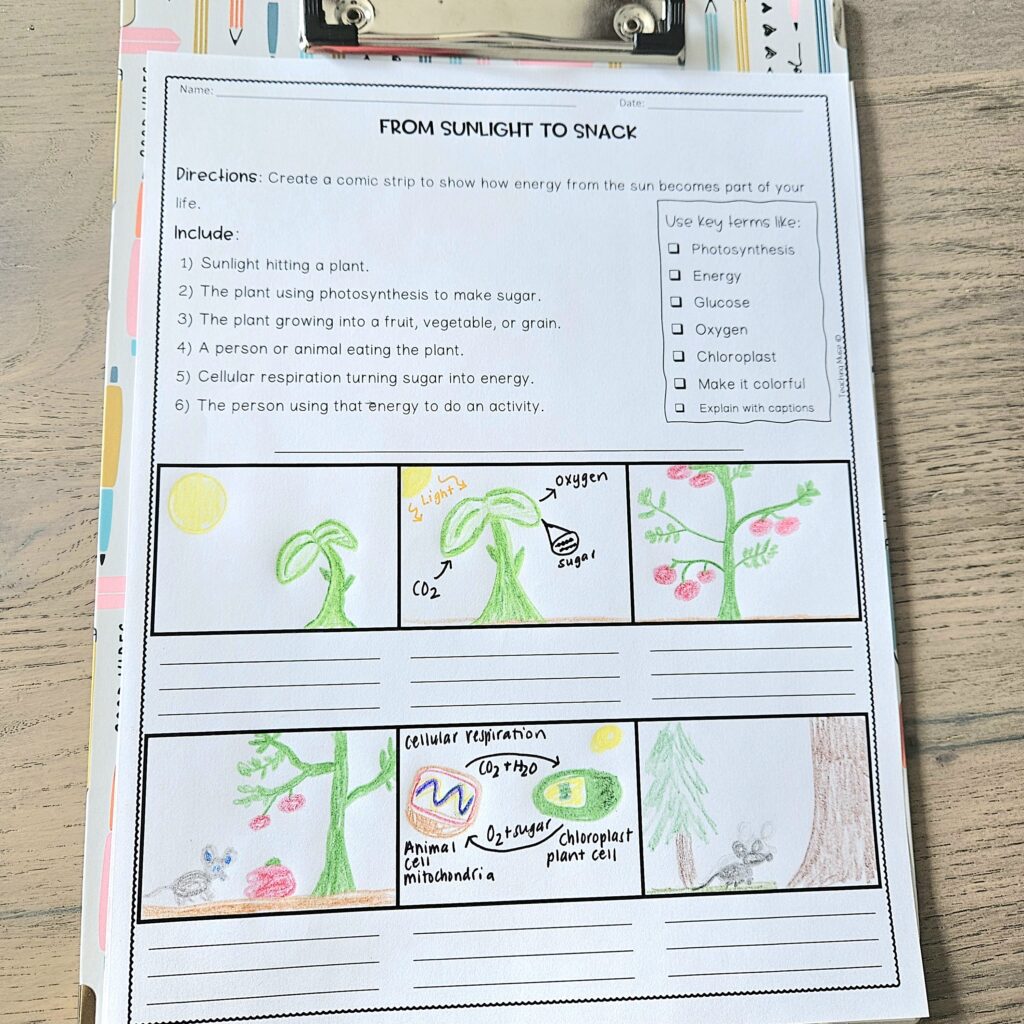
Middle school life science is a big leap from elementary. Students move from labeling body parts to understanding systems, from learning about food chains to analyzing ecosystems and energy flow. Without a clear scope and sequence, it’s easy to leave gaps—or repeat content year to year.
The NGSS lays out what students should know and be able to do, but it doesn’t always tell you how to pace or sequence it. That’s where a curriculum map comes in.
Major Units to Include in Middle School Life Science
If you’re wondering what to teach in middle school life science, here’s a breakdown based on NGSS-aligned units from my curriculum map:
1. Cells and Microscopes
Structure and function of cells
Differences between plant and animal cells
How to use a microscope to observe living things
NGSS Alignment: MS-LS1-1, MS-LS1-2
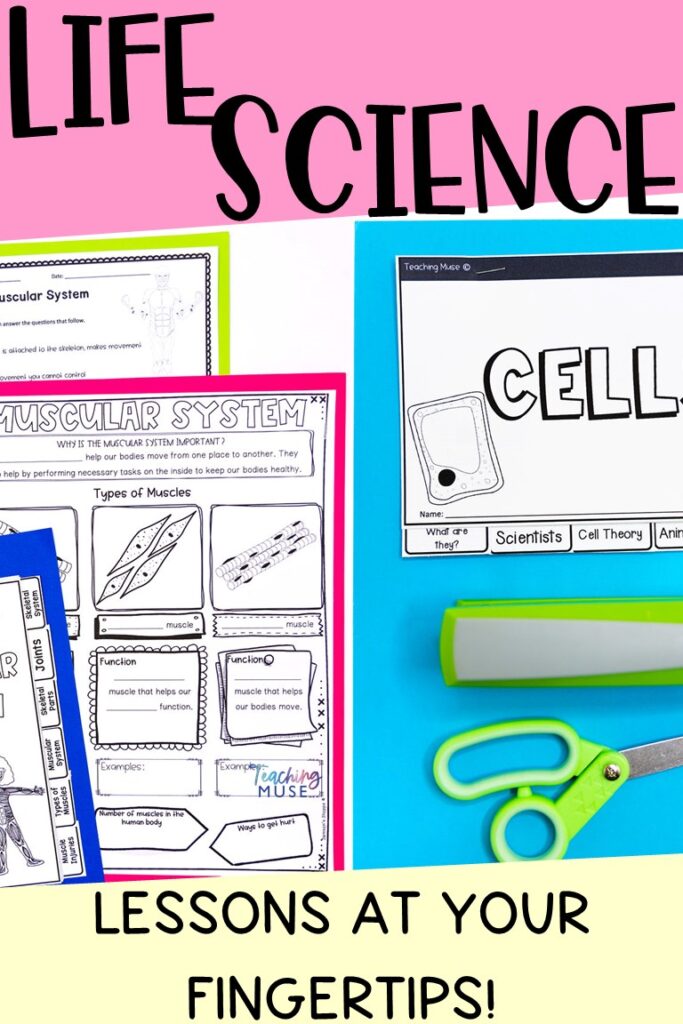
Students are introduced to cells as the building blocks of life, and practice actual observation skills using tools like microscopes or digital models.
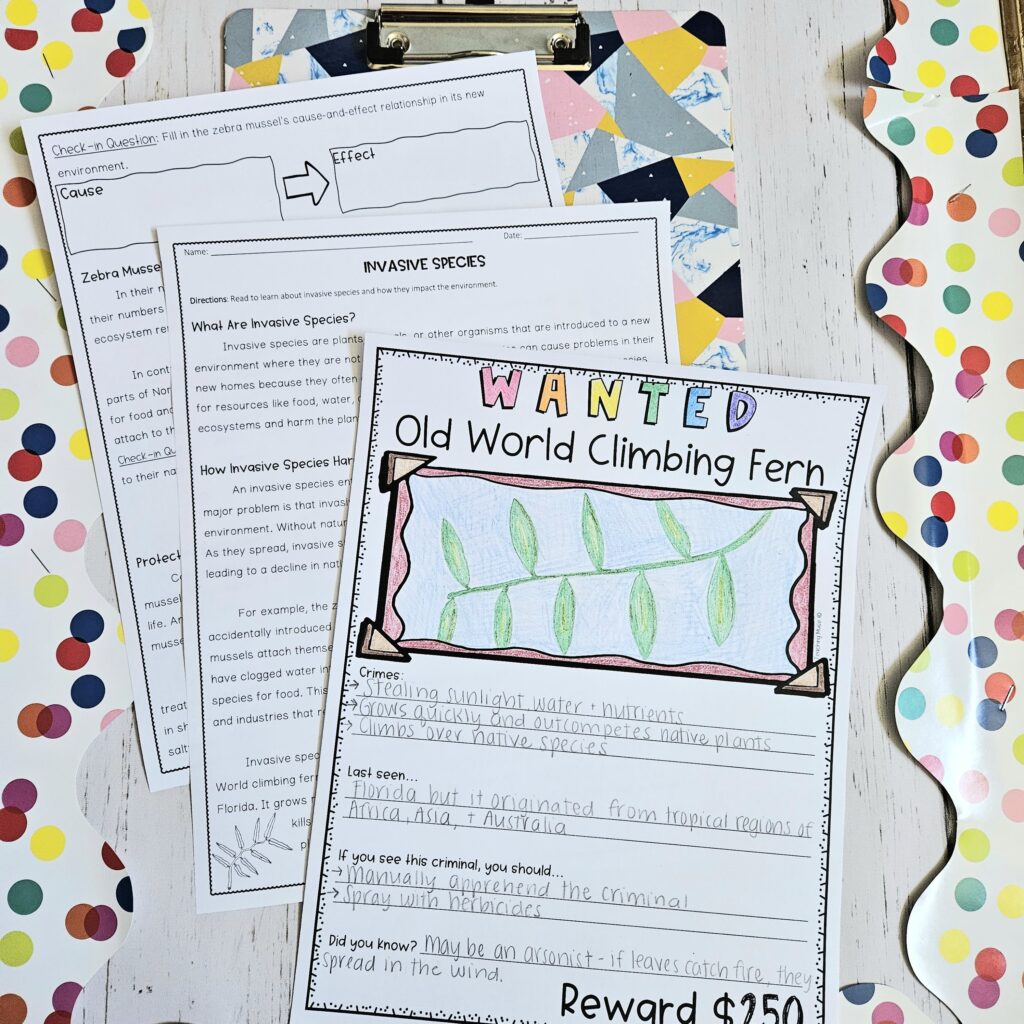
Students love connecting science to real-world issues—especially when it involves creative projects like “wanted posters” for invasive species or environmental action plans.
Grab the Free Life Science Curriculum Map
Want all of this mapped out for you by unit, time frame, and NGSS standard? Make it easier so you don’t have to wonder what to teach in middle school life science. I’ve done the work for you.
Trying to figure out what to teach in middle school life science doesn’t have to be overwhelming. With a roadmap, standards-aligned lessons, and a bit of structure, you can confidently guide your students through cells, ecosystems, genetics, and everything in between.
Download the map, skim the NGSS, and know that your year can be clear, engaging, and manageable.