So let’s break it down. If you’re teaching middle school physical science, here’s what NGSS actually expects — and how you can make it manageable, meaningful, and yes, even fun.
NGSS Strands for Middle School Physical Science
The NGSS splits physical science into 4 big ideas:
Waves and Their Applications in Technologies for Information Transfer
Wave properties
Sound and light
Communication technologies (yes, even that)
Each of these concepts connects to a set of performance expectations — what students should be able to do, model, or explain. That’s where things can get tricky. It’s not just about covering the content — it’s about building understanding through inquiry, models, and real-world application.
What to Teach in Middle School Physical Science: Classroom Breakdown
“So… What Does That Actually Look Like in My Classroom?”
This quarterly breakdown shows what to teach in middle school physical science by topic — from atoms and energy to waves and motion.
Here’s what a typical flow of topics might look like across your school year:
Quarter 1: Properties of Matter & Chemical Reactions
Thermal energy, conduction, convection, and radiation
Quarter 4: Waves and Information Transfer
Wave properties
Sound and light
How technology uses waves for communication
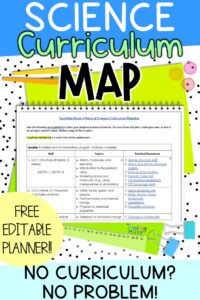
And yes, this sequence is mapped out for you in the free middle school physical science curriculum map I mentioned last week. It includes pacing suggestions, standards, and links to matching resources that are actually ready to use — not just vague ideas like “do a lab.”
How to Stay NGSS-Aligned Without Losing Your Mind
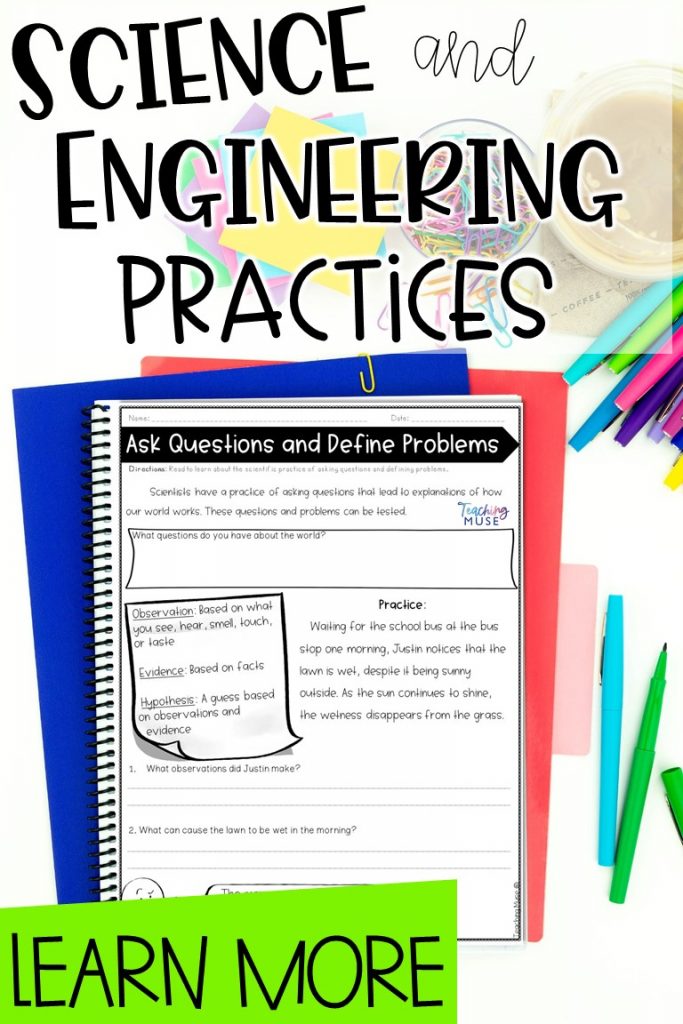
NGSS isn’t about memorizing facts. It’s about helping students:
That’s a tall order unless your materials are built around those goals.
If you’ve already downloaded the free curriculum map, you’ll notice each unit is matched with lessons and activities that hit those key practices. You’ll find opportunities for CER writing, interactive simulations, real-life phenomena, and even engineering design challenges.
Want to save yourself even more time? I pulled everything together in one ready-to-go middle school physical science bundle — the same one I use in my own classroom. (More on that next week!)
If you’re still unsure what to teach in middle school physical science, this curriculum map lays it out clearly and saves you hours of second-guessing.