How to Plan 5th Grade Science Without Getting Overwhelmed by the Standards

Trying to figure out how to plan 5th grade science year without drowning in standards, resources, or random Pinterest ideas?
You’re not alone. Many teachers feel overwhelmed trying to cover every science topic equally — but that’s actually where the problem starts.

In this post, you’ll learn how to strategically plan your year by choosing which units to teach deep and which ones to go wide on.

Plus, you’ll get a free printable planner to help you decide where to focus your energy so your students learn more — and you stress less.

Feeling overwhelmed by how much science you have to teach in one year?

If you’ve been wondering how to plan 5th grade science in a way that covers the standards without burning out, you’re not alone. Most teachers are handed a vague pacing guide, if they’re lucky, and expected to hit dozens of NGSS performance expectations — all with limited time, supplies, or support.

Here’s the secret: You don’t have to go full-force on every unit. When you learn how to balance depth vs. breadth, you’ll not only reduce your stress, but you’ll help students actually remember what they’re learning.

Let’s break down how to do it, and I’ll give you a free printable planning guide to help you decide which units to go deep on and which ones to skim.

What Does It Mean to Go Deep vs. Wide in Science?

When planning your 5th grade science year, not every unit needs to be a multi-week lab extravaganza. Here’s the difference:

Going Deep

You focus on:

Example:
🧬 Ecosystems Unit – You build food chains, analyze invasive species, write CERs, and discuss human impact.
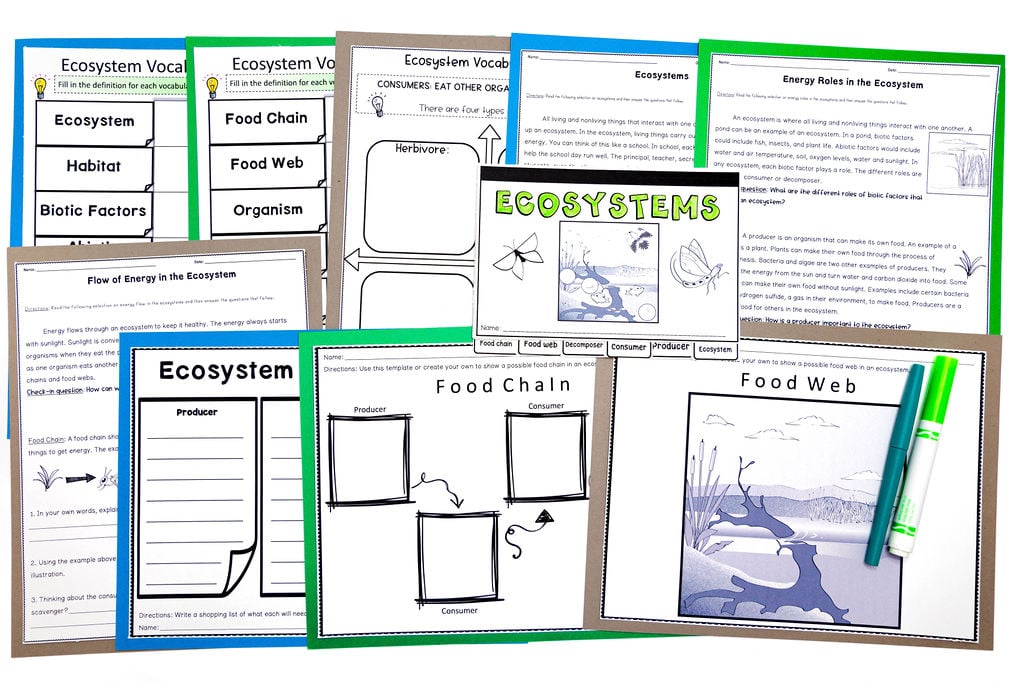
How to Teach 5th grade science with ecosystems

Going Wide

You introduce key concepts with:

Example:
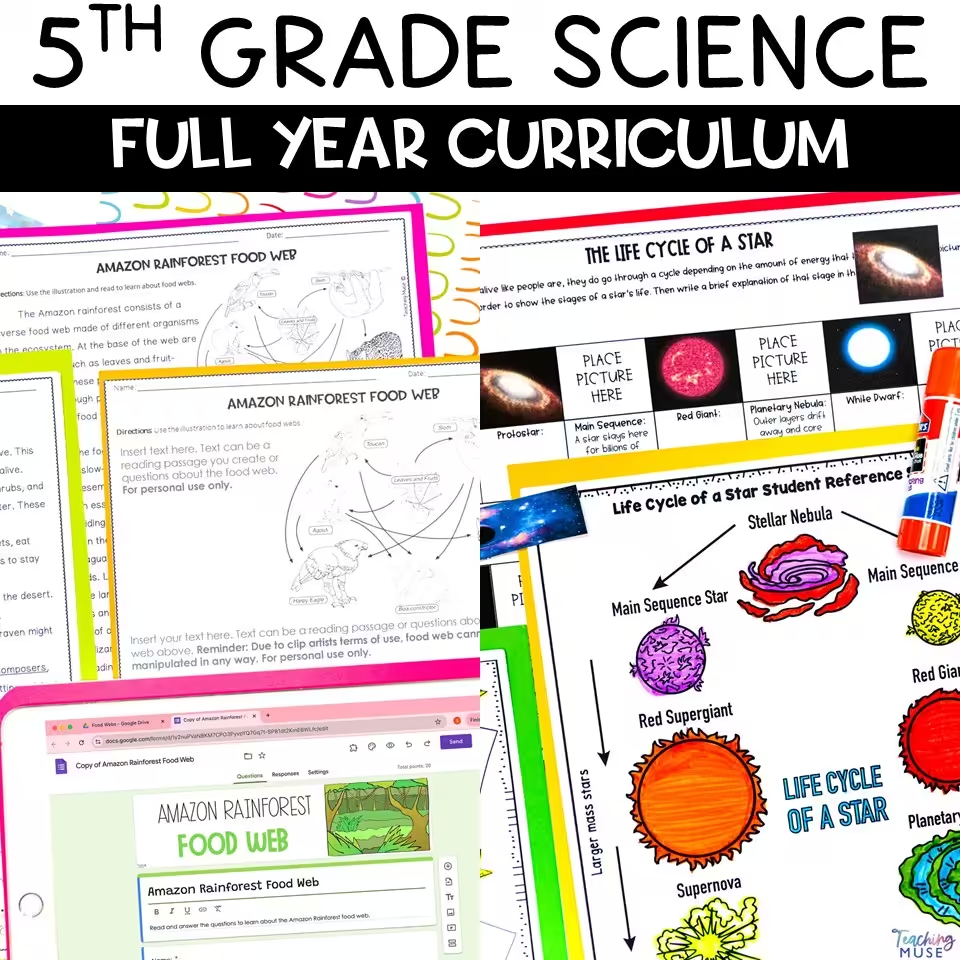
🌟 Stars and Constellations – You read about constellations, watch a short video, complete a simple matching or drawing activity, and revisit the concept later during Earth and space units.
Why It Matters When You Plan 5th Grade Science

Trying to teach everything “deeply” just isn’t realistic. You’ll burn out, your students will get lost, and you’ll end the year feeling behind.

Instead, strategically choose your deep-dive units — ones that are:

  • Highly tested or foundational

  • Great for integrating science practices

  • Easy to connect to the real world

  • Naturally engaging for students

Then, go wide on the rest to ensure exposure and review without sacrificing all your instructional time.

A Smarter Way to Plan: Use the Deep vs. Wide Framework

When you sit down to figure out how to plan 5th grade science, ask yourself:

  • Which units offer the most “bang for your buck” with engagement and standards?

  • Where can I use models, data, and writing to build deeper understanding?

  • Which topics just need to be introduced and revisited later?

To help you do this, I created a free printable planner just for you.

📥 Grab the Freebie: Deep vs. Wide Unit Planning Guide

Inside this quick 3-page guide, you’ll get:

  • Clear examples of what “deep” vs. “wide” instruction looks like

  • A planning chart to help you map your own year

  • A sample deep-dive unit plan (using ecosystems)

👉 [Insert link to freebie landing page]

This is the same strategy I use when creating my 5th Grade Science Curriculum Map and bundled lessons — so if you’re tired of figuring it out on your own, the guide will give you the clarity you need.

Want the Whole Year Done for You?

If you love the Deep vs. Wide approach but don’t have time to create everything yourself, my 5th Grade Science Curriculum Map and lesson bundle might be just what you need.

You’ll get:

  • A full NGSS-aligned scope and sequence

  • Pre-planned lessons with built-in “deep” units

  • Assessments, readings, CERs, and more

👉 [Insert link to curriculum map or sales page]

It’s everything you need to feel confident walking into science this year.

how to plan 5th grade science using the deep vs wide ngss method

You CAN Plan Smarter — Not Harder

By learning how to plan 5th grade science with intention, choosing where to go deep and where to go wide, you’re setting yourself and your students up for a more focused, engaging, and manageable year.

Ready to make a plan that works?


👉 Download the free Deep vs. Wide Planning Guide and start mapping your year with clarity.

Other tips and strategies to help you

Share it:
Email
Facebook
Pinterest
Twitter

You might also like...