Back to school season can feel like controlled chaos—especially in the science classroom. Between setting up lab spaces, gathering supplies, and reviewing safety rules, it’s easy to feel overwhelmed before the students even arrive. These back to school tips for science teachers will help you start the year with confidence, structure, and student engagement. Whether you’re brand new to teaching or just looking to streamline your systems, these ideas will save you time and sanity as you kick off your best year yet.
Why Science Class Needs a Strategic Back-to-School Plan
Science class isn’t like every other subject—you’re dealing with equipment, lab safety, classroom routines, and often a mix of excitement and anxiety from students. That’s why having a clear, strategic back-to-school plan is essential for science teachers.
Without it, you risk wasting valuable time reteaching expectations, scrambling for materials, or dealing with preventable behavior issues during hands-on activities. A thoughtful approach from day one helps you:
-
Establish lab safety norms early
-
Build classroom routines that stick
-
Create a culture of curiosity and risk-taking
-
Ease students into NGSS practices like questioning and data collection
The smoother your first few weeks go, the more instructional time you’ll win back throughout the year. With the right systems in place, your science classroom becomes not just functional—but fun and fearless.
First-Week Success Tips for Science Teachers
While classroom décor might not top your to-do list, it plays a bigger role than many teachers think — especially in the science room. A well-organized and welcoming space helps students feel comfortable while also supporting the flow of movement during labs and hands-on activities.
Think beyond just posters and borders. Ask yourself:
-
Can students easily access materials without bottlenecks?
-
Are high-traffic areas (like sinks or lab supply tables) clutter-free?
-
Is safety gear clearly labeled and visible?
Create zones for supplies, lab tools, and cleanup routines to minimize chaos before it starts. Add visuals that support your instruction—lab safety rules, measurement tools, or science stems. Your room should feel like a place where science is happening and where students know what’s expected.
Want a peek at how I decorate with both purpose and practicality? Check out how I set up my classroom here.
We both know there’s nothing more thrilling than reviewing safety rules on day one… said no student ever. But nailing lab safety expectations early is a non-negotiable for any science classroom.
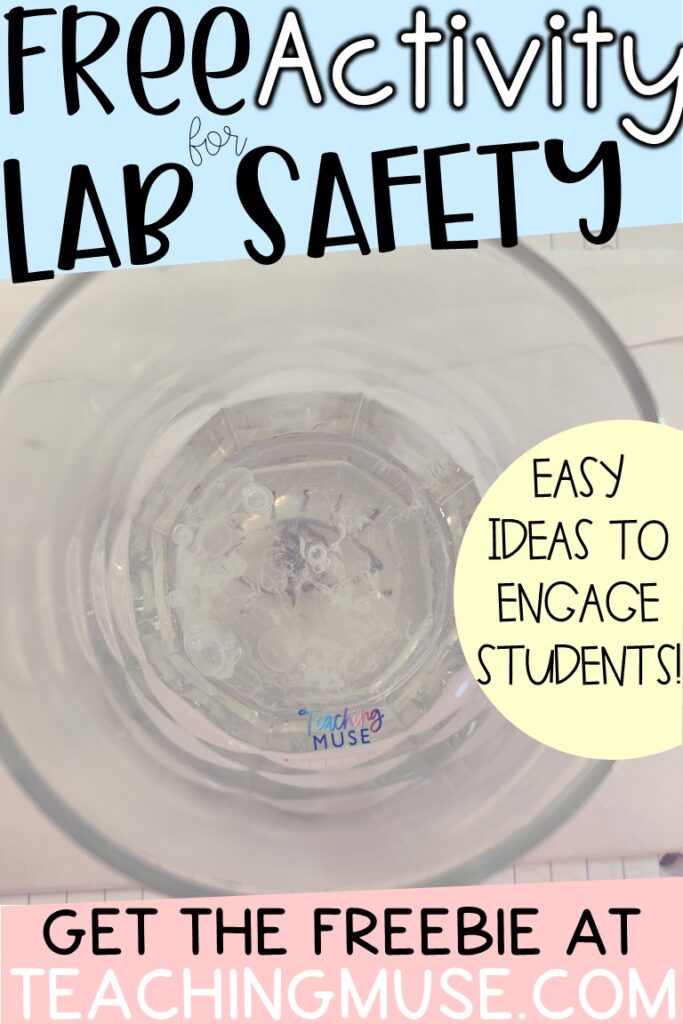
Instead of lecturing, pull in students with engaging activities, like the Zombie College video or the “Eye Know Safety” egg-drop demo from my Lab Safety Activities post. Those demos don’t just hook attention—they also show exactly what happens when you don’t follow safety rules.
Tip: Set up interactive lab safety stations where students rotate to:
-
Spot safety errors in a photo or scene
-
Role-play proper PPE use
-
Complete a safety flip-card challenge
And if you want ready-to-go support, grab that free lab safety activity—it almost runs itself!
Finally, tie everything back to your classroom management plan:
“Safety rules are as non-negotiable as cleaning up and collecting materials—no exceptions.”
When students connect procedures to real consequences—and see how you treat safety as part of your system—they’re more likely to take it seriously, all year long.
So now you’ve got your classroom prepped, your routines mapped out, and your supplies ready—you’re officially set to start the school year strong. But once the students walk through your door, what’s your plan?
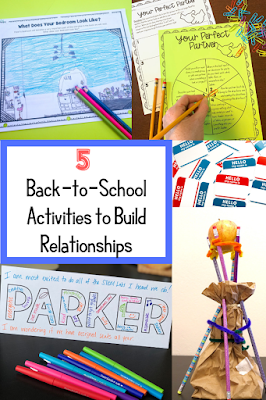
Here are five easy-to-run, back to school science activities that double as icebreakers. They’re fun, low-prep, and perfect for building relationships while giving you a quick snapshot of your students’ personalities and science thinking.
These aren’t just time-fillers, they’re the start of your classroom community.
Building relationships with your students is just as important as having control in your classroom so it’s an importantback to school tips for science teachers.
Many times through creating a classroom community of relationships, you will notice that classroom management isn’t an issue for you. This blog post includes some tips to build a relationship with students this school year.
Planning & Preparation
Plan Units, Not Lessons: An Easy Organization Tip
It’s easy to fall into the trap of planning one lesson at a time—especially when the school year kicks off and your to-do list is already a mile long. But trust me, mapping out science units instead of daily lessons is a game-changer.
When you plan by unit, you get a clearer view of where you’re going, how each activity supports your standards, and where to build in assessments, labs, and review. It also gives you flexibility—because when that surprise assembly throws off your pacing, you’re not scrambling to rewrite everything.
Need a shortcut? I’ve got you. Download my free middle school science curriculum planner to organize your year by unit, align with NGSS, and plug in your favorite back to school science activities and beyond.
🎯 Grab the free planner here and actually enjoy the feeling of being ahead.
Here’s another one of my back to school tips for science teachers! No matter how strong your lessons are, they won’t run smoothly if you’re constantly missing materials. Starting the year with a well-stocked and well-organized supply setup saves time, minimizes interruptions, and sets a professional tone for your science classroom.
Here are some back-to-school science supply must-haves:
-
Lab Basics: goggles, gloves, beakers or cups, thermometers, graduated cylinders, measuring spoons
-
Hands-On Staples: baking soda, vinegar, string, balloons, paper towels, food coloring
-
Student-Friendly Tools: digital scales, clipboards, hand lenses, rulers, dry-erase boards
-
Organization Helpers: color-coded bins, drawer carts, labels, and supply caddies
-
Digital Access Tools: charged devices, headphones, and quick links to virtual labs or simulations
Routines That Save You Time
Strong routines are the backbone of every successful science classroom—but they also make your classroom management feel effortless.
During the first week, I teach simple systems for:
-
Distributing and collecting materials
-
Rotating through lab stations
-
Cleaning up science tools
I also assign classroom jobs like “lab supply manager” or “tech helper” to build student ownership. These jobs reinforce expectations and free you up to do what you do best—teach.
To reinforce positive behavior, I keep rewards easy and science-themed:
-
Earn lab leader for the day
-
Mystery science coupons
-
Exit ticket raffles
It’s consistent, simple, and effective—just how I like my classroom systems.
Classroom Rewards A Back to School Tips for Science Teachers
Don’t underestimate how much smoother your year will run when you build in simple reward systems. You can always add more later, but start small and consistent. This is a top back to school tips for science teachers.
A well-prepped classroom, meaningful routines, and engaging science content set the tone for the entire year. Start strong with these strategies, grab your favorite resources, and get ready for a year of discovery!
Grab 10 Free Back to School Science Activities!
Here’s my best back to school tips for science teachers!
Want to start the year with science activities that actually work? I’ve put together 10 classroom-tested, student-approved science activities you can use right away during those busy first weeks.
They’re perfect for:
Building engagement
Introducing routines and group work expectations
👩🔬 Click here to get 10 Free Back to School Science Activities and start your year strong!